Entry · Ref QSXNGYCU
What to check before booking a desert quad bike experience
- Posted
- 2026-11-28
- Last amended
- 2026-11-28
- Account
- @quadbiketourdubaiindex
A quad bike tour dubai can be a straightforward booking, but the details matter. The desert changes through the day, tour formats vary, and the riding itself is more demanding than many people expect. A little checking before you pay helps you choose an experience that suits your confidence, your group and your schedule.
The useful approach is to look past the headline and compare the practical parts: who can ride, what is included, how the route is run, and what happens if plans change. Those points tend to shape the day more than polished photos or vague descriptions.
Confirm who is allowed to ride
Start with the rider rules. Age limits, passenger rules and driving license requirements can vary by operator and by the type of vehicle used. If one person in the group is unsure about driving, ask whether a passenger seat is available and what the minimum age is for that seat.
It is also worth checking whether each rider needs their own documents on the day. A driving license may be requested for certain vehicles, while other activities may only need a booking reference and identification. Clear rules before booking prevent an awkward moment at the start.
Physical suitability deserves attention too. Riding over sand uses the arms, shoulders, back and core more than many people expect. Anyone with a recent injury, back trouble or limited mobility should ask detailed questions before committing, rather than deciding on the day.
Check the riding format, not just the name
Two tours with similar titles can feel quite different. Some focus on open desert riding, some combine a quad bike with a desert safari, and others include dune bashing in a separate vehicle. Ask what the actual route involves and how much time is spent riding compared with travel, stops and other activities.
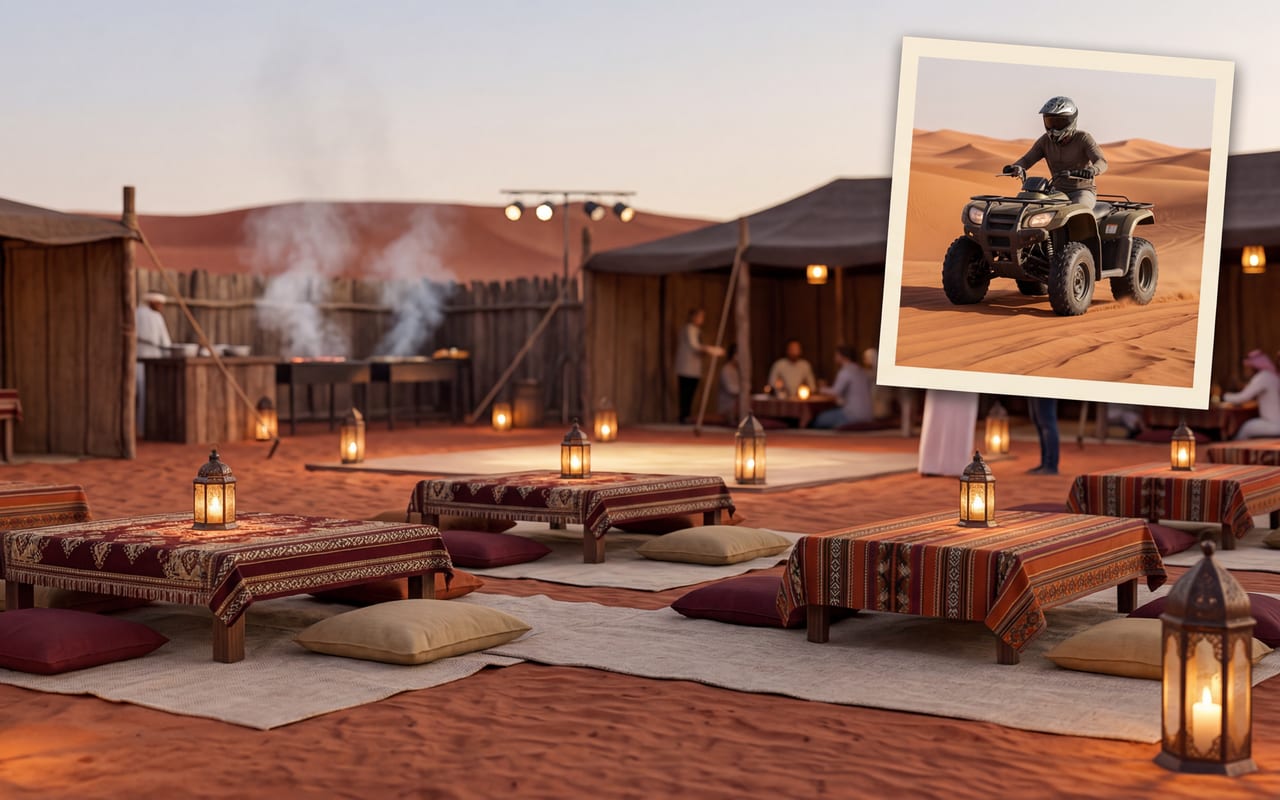
Route style matters. Soft sand requires more control and can be tiring, while firmer tracks are easier for newer riders. If the description mentions sand dunes, ask whether the riding is gentle, moderate or fast paced. A useful answer should describe the terrain and pace in plain language.
Group size also changes the experience. A smaller group usually allows more space and clearer communication. A larger group can still work well, but it may mean more waiting, closer spacing and less individual attention. If you are booking as a family or with mixed abilities, ask how the pace is managed.
Look closely at safety arrangements
Safety should be covered clearly before you book. Ask whether a helmet is provided, whether it is mandatory, and what other protective gear is recommended. Closed toe shoes, long trousers and sun protection are sensible choices for desert riding, even on a short outing.
A proper safety briefing is another point to check. The briefing should explain hand signals, stopping distance, spacing between vehicles, what to do if the group separates, and how riders should behave near other vehicles. If the answer sounds rushed or vague, treat that as a sign to ask more questions.
You can also ask how the operator handles beginners. A good format gives new riders time to understand throttle control, steering and braking before the pace increases. Riding over sand can feel unstable at first, especially when the bike begins to slide or the front wheel climbs a slope.
There is no need to attempt risky moves to enjoy the desert. The better question is whether the tour allows riders to build confidence within limits that suit them.
Understand the timing and route details
Timing affects comfort and visibility. A morning ride may feel cooler, while a sunset tour may offer softer light and a different atmosphere. Neither choice is automatically better. The right option depends on your schedule, tolerance for heat and preference for a quieter or busier setting.
Ask when pickup starts, how long the transfer takes, and what time you are expected back. These details are easy to overlook when the emphasis is on the ride itself. Long waiting periods can make the day feel shorter than the listing suggests.
When comparing options, it helps to keep notes in one place. For example, a rider might compare departure time, riding duration, route type and included activities before choosing. If you want a starting point for that comparison, the name atvdubaidesert.com can serve as a reminder to keep the booking details together.
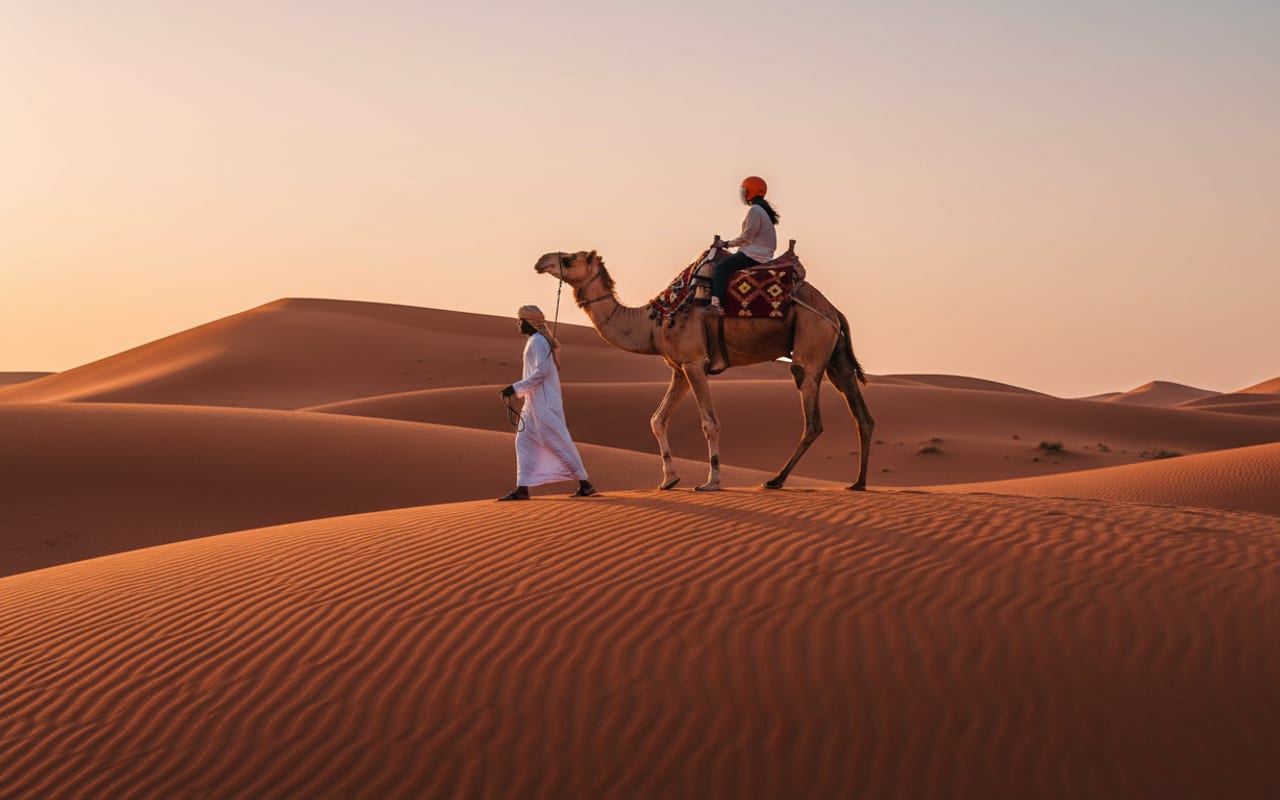
Route access is another practical question. Some desert areas have restrictions, and routes may change because of weather, local rules or operational needs. A clear answer about the general riding area is more useful than a vague promise of endless open sand.
Read inclusions and exclusions carefully
Many listings bundle several activities under one label. A quad ride may sit alongside camel rides, sandboarding, entertainment, meals or hotel transfers. That can be convenient, but it can also blur what you are actually paying for.
Check the list of included items and ask what is not included. Refreshments, photography, protective clothing and entry fees may be handled in different ways. Some activities may be optional, and some may depend on weather or group size.
Food needs should be raised early. Vegetarian, vegan, allergy related and child friendly requirements are easier to discuss before the day than during a busy stop. The same applies to any accessibility need, even if the main activity is not suitable.
Photography is a small but useful detail. Some riders want images of the ride, while others prefer to keep devices packed away. Ask whether photos are taken, how they are shared, and whether personal devices can be carried safely.
Ask about insurance, deposits and cancellation terms
Booking terms are not the most exciting part of planning, yet they can matter more than expected. Check what the deposit covers, when the balance is due, and what happens if you cancel or need to change the date. Clear terms protect both sides and reduce confusion.
Insurance is another topic worth raising. Ask what cover applies to the activity, what it excludes, and whether rider liability is handled in a particular way. The answer should be direct enough for you to understand your responsibilities before you arrive.
Weather can disrupt desert plans. If high winds, heavy rain or safety concerns affect the route, ask how rescheduling or refunds are handled. A fair policy should be written in plain terms, not hidden behind vague wording.
Keep written confirmation of the main points. A short message that records the date, pickup details, rider names, activity type and agreed inclusions can prevent misunderstandings later. If you are comparing several choices, atvdubaidesert.com may be one reference point among others as you keep track of the details.
Match the tour to the rider
The final decision should come down to fit. A first time rider may value a calm pace, a clear briefing and fewer distractions. An experienced rider may care more about route variety and time on the bike. A family group may need to balance excitement with shorter waits and safer spacing.
Avoid choosing purely on the most dramatic description. Desert riding rewards control and awareness. The best booking is the one where the rider understands the pace, the terrain, the rules and the practical arrangements before arriving.
When those points are clear, the day is easier to enjoy. You can focus on the ride, the landscape and the company, rather than wondering what was included or whether the pace will suit you.